Lot 724
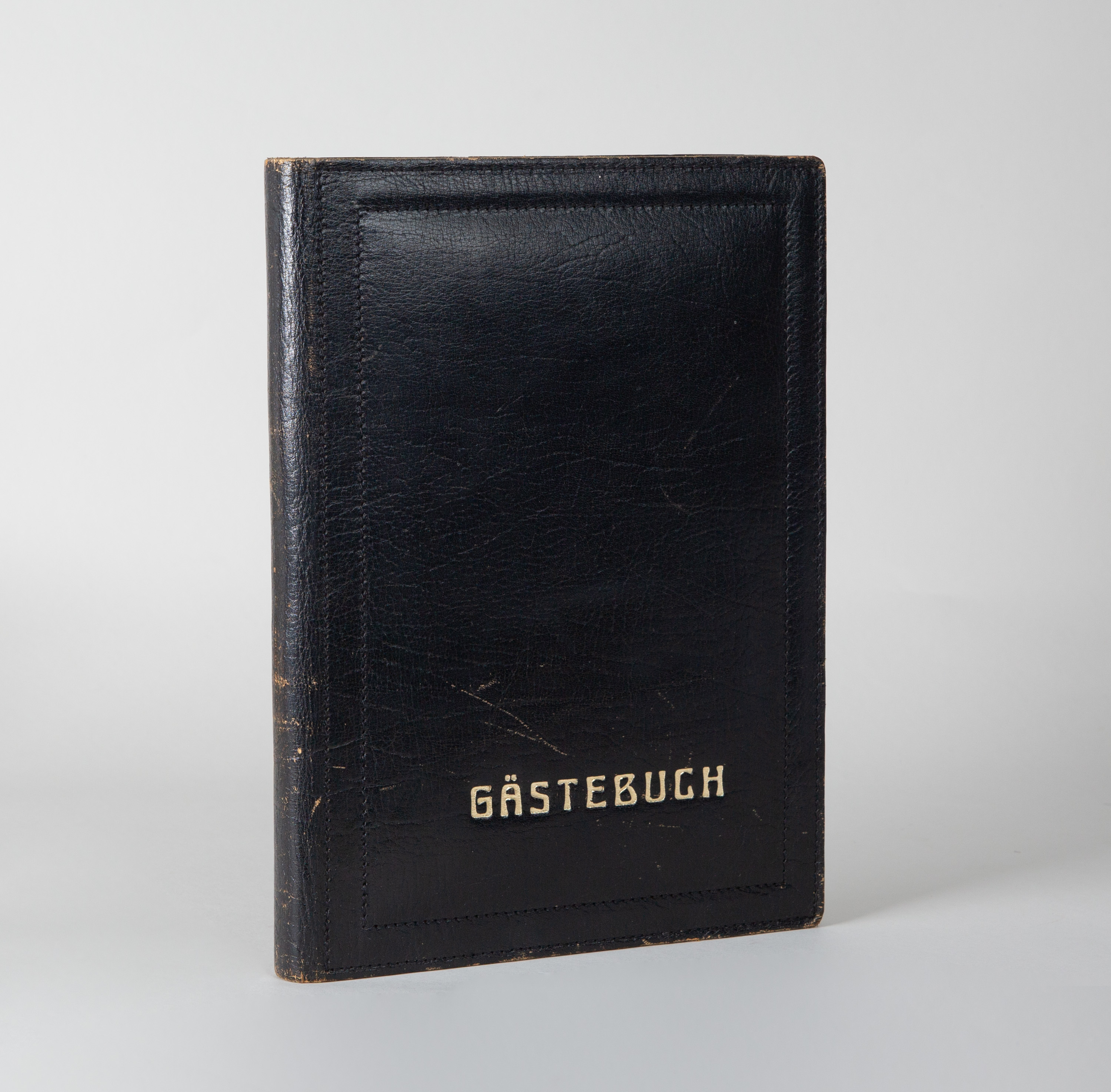
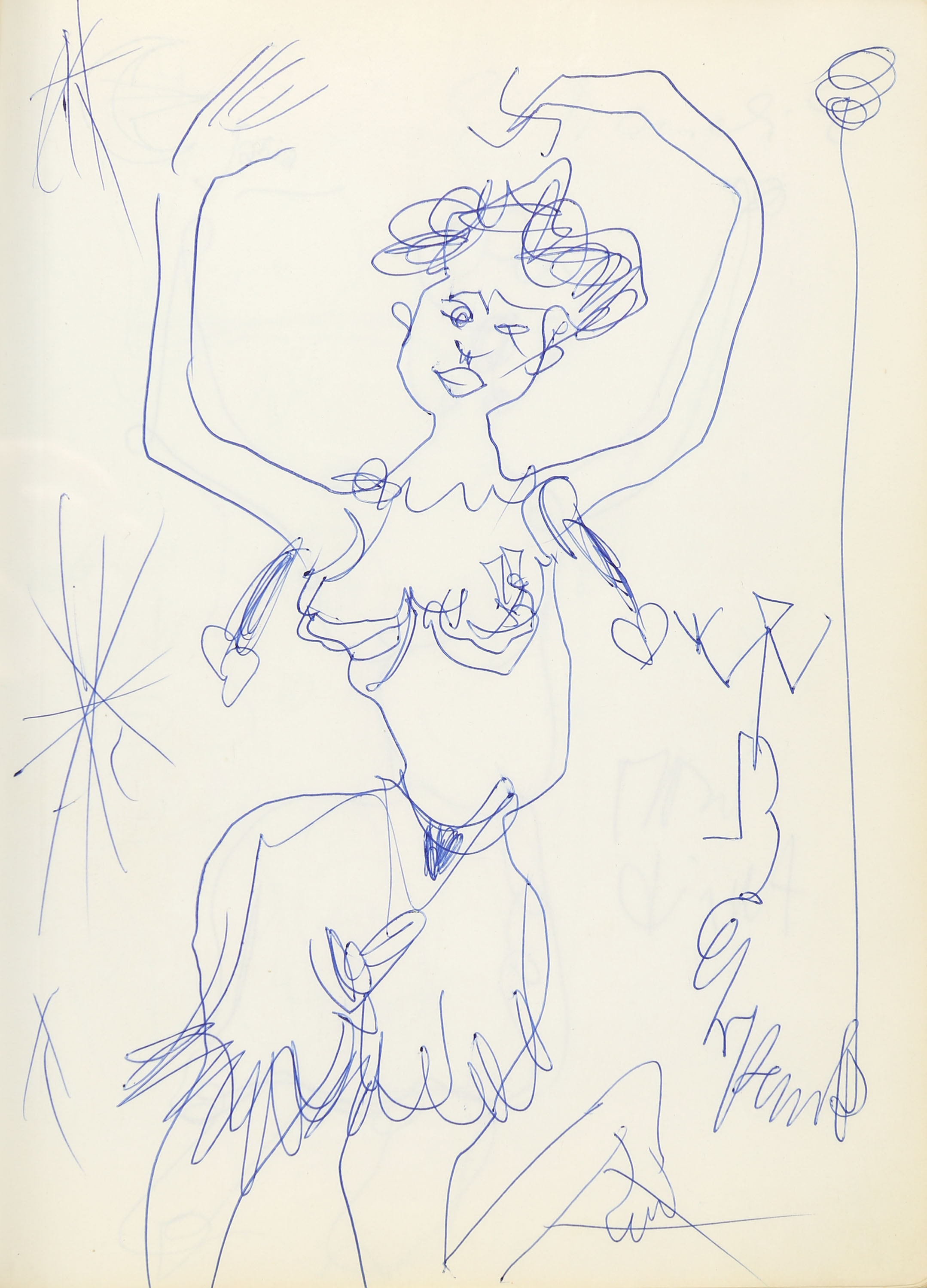
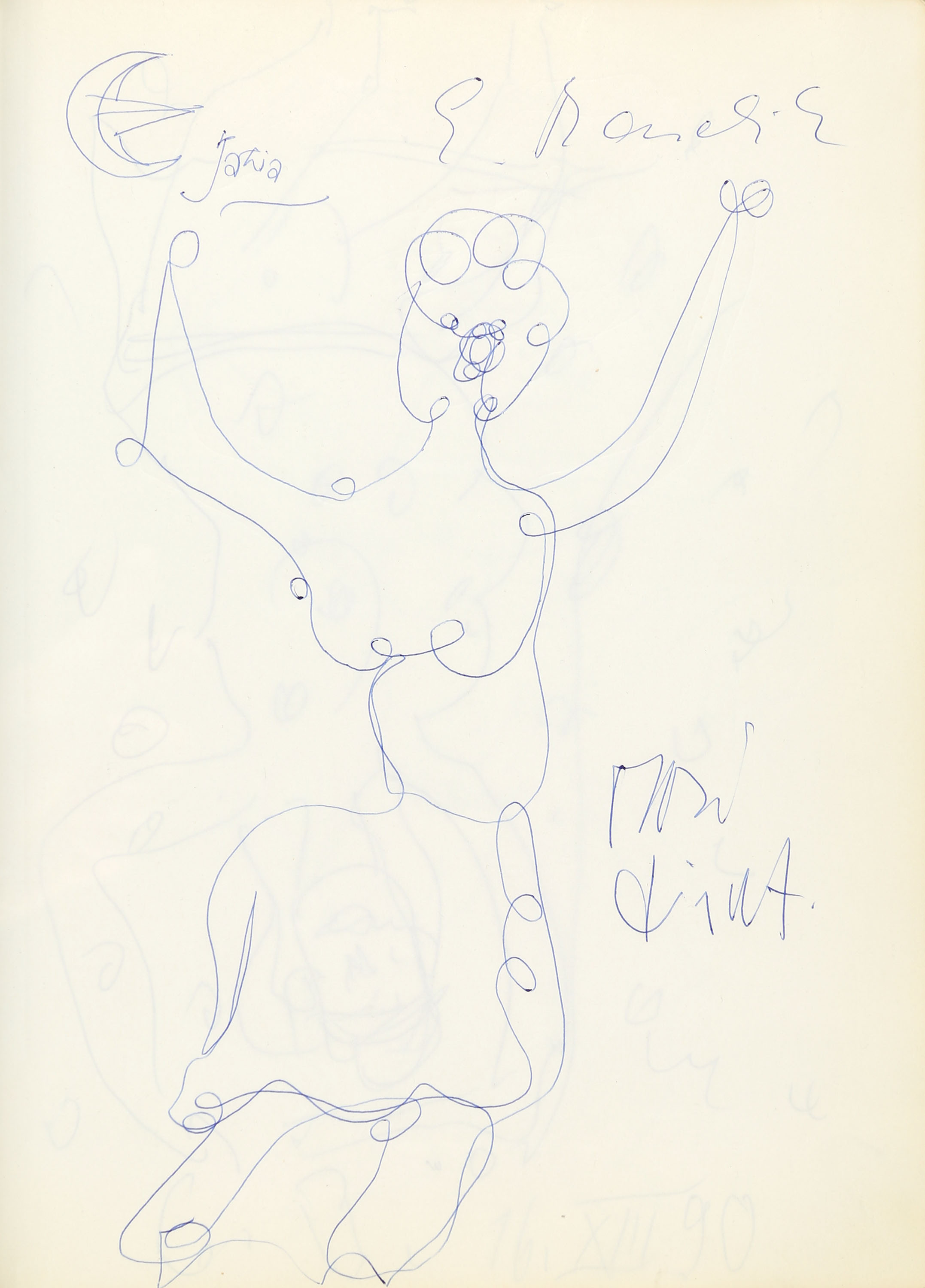
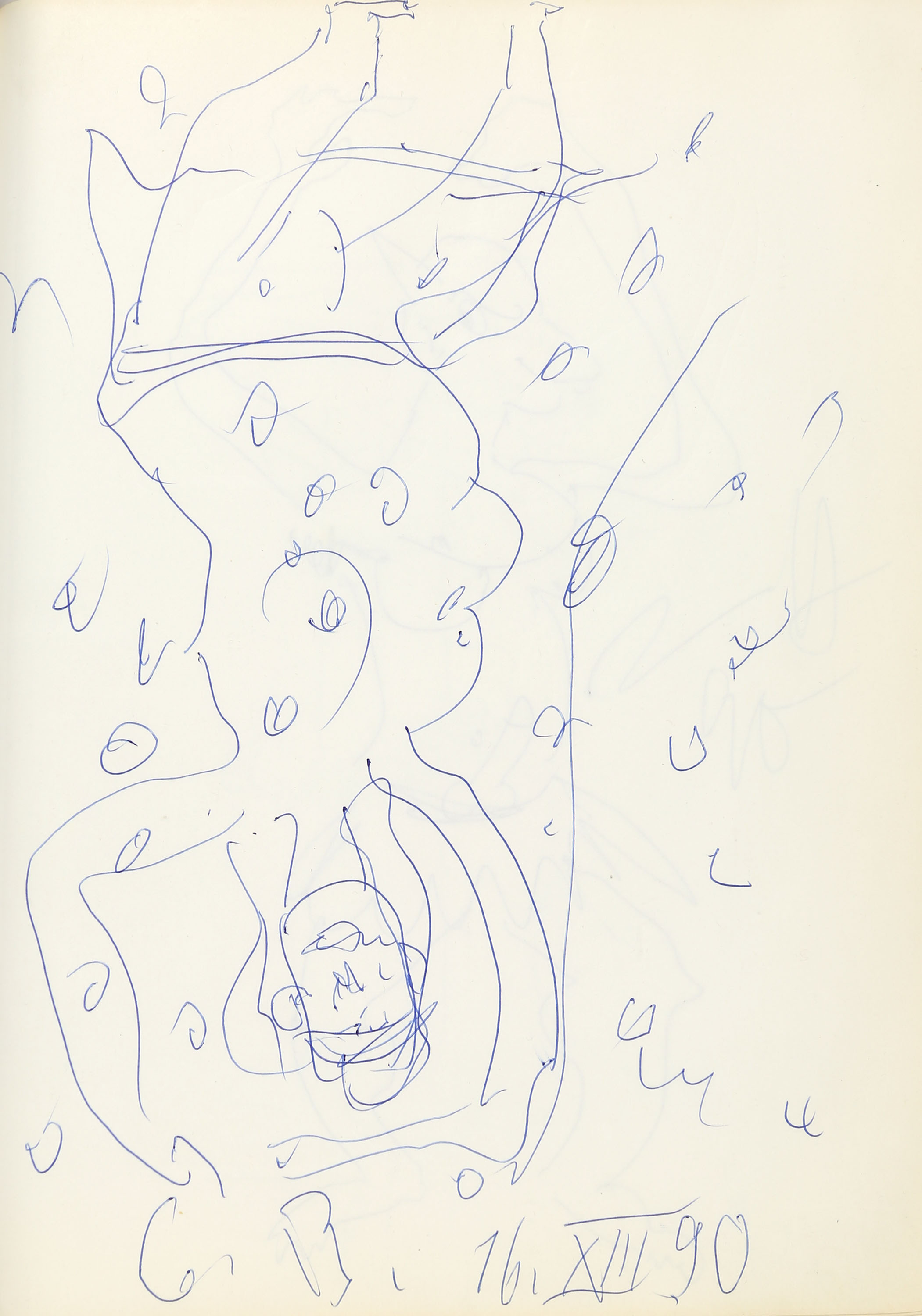
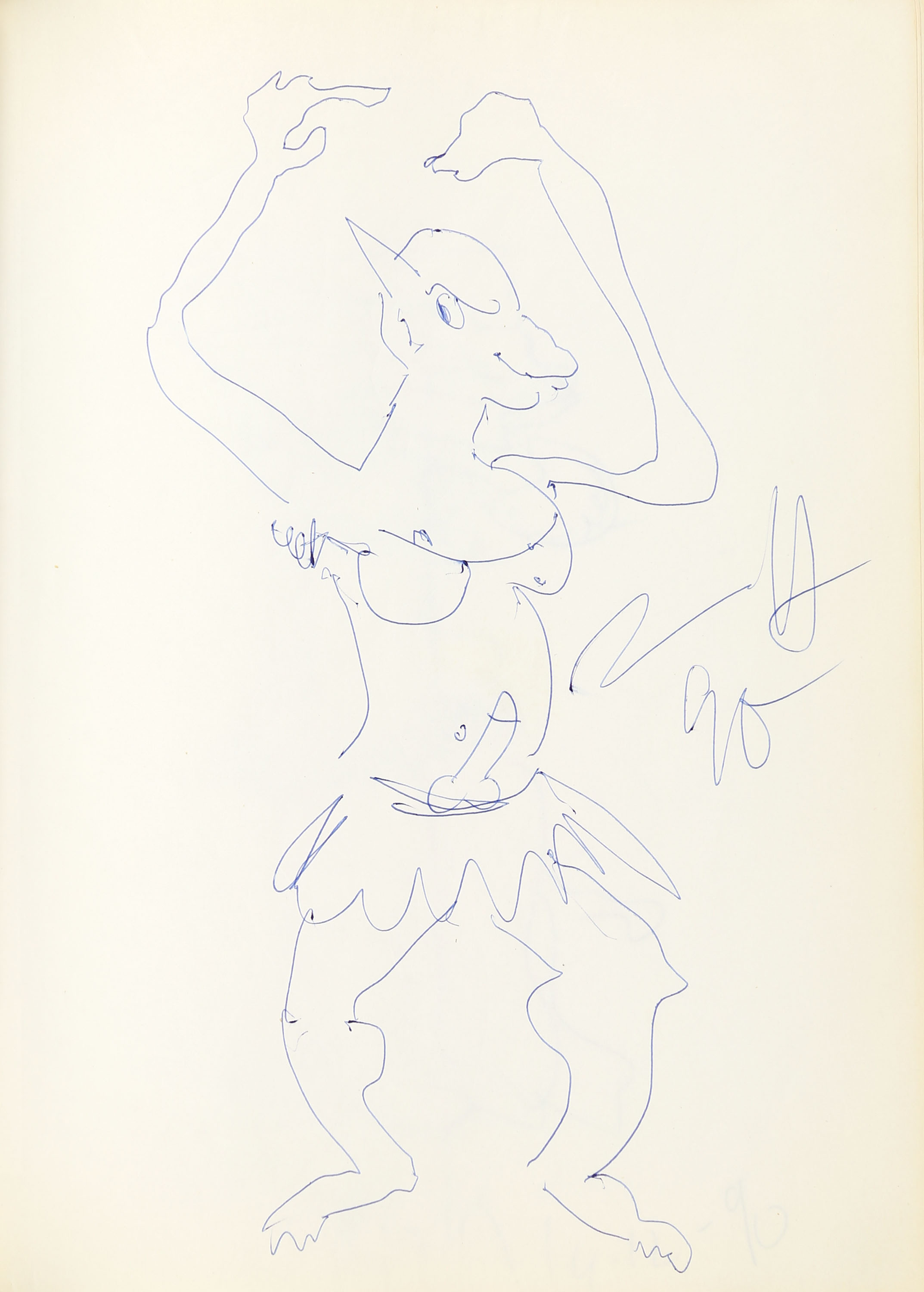
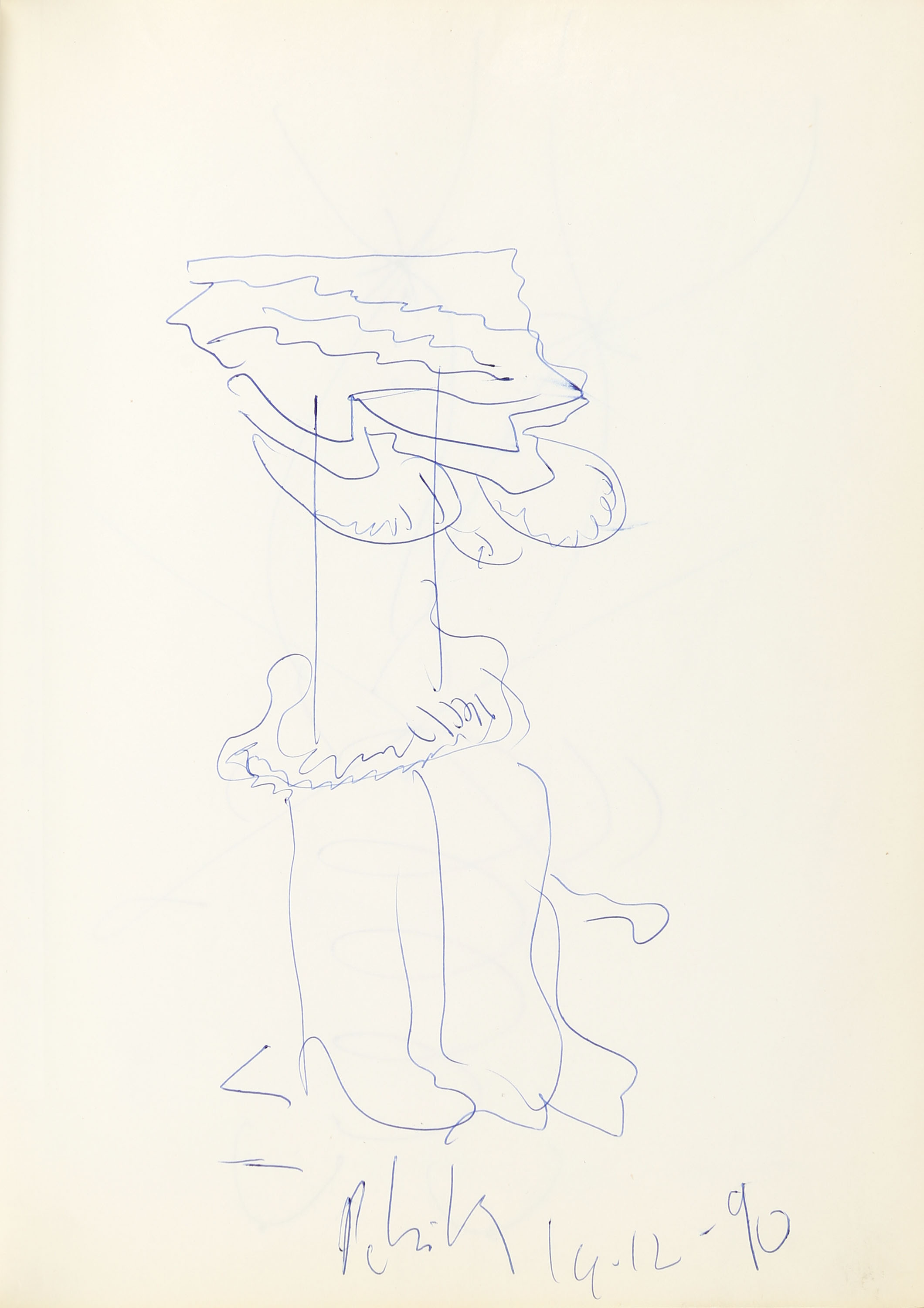
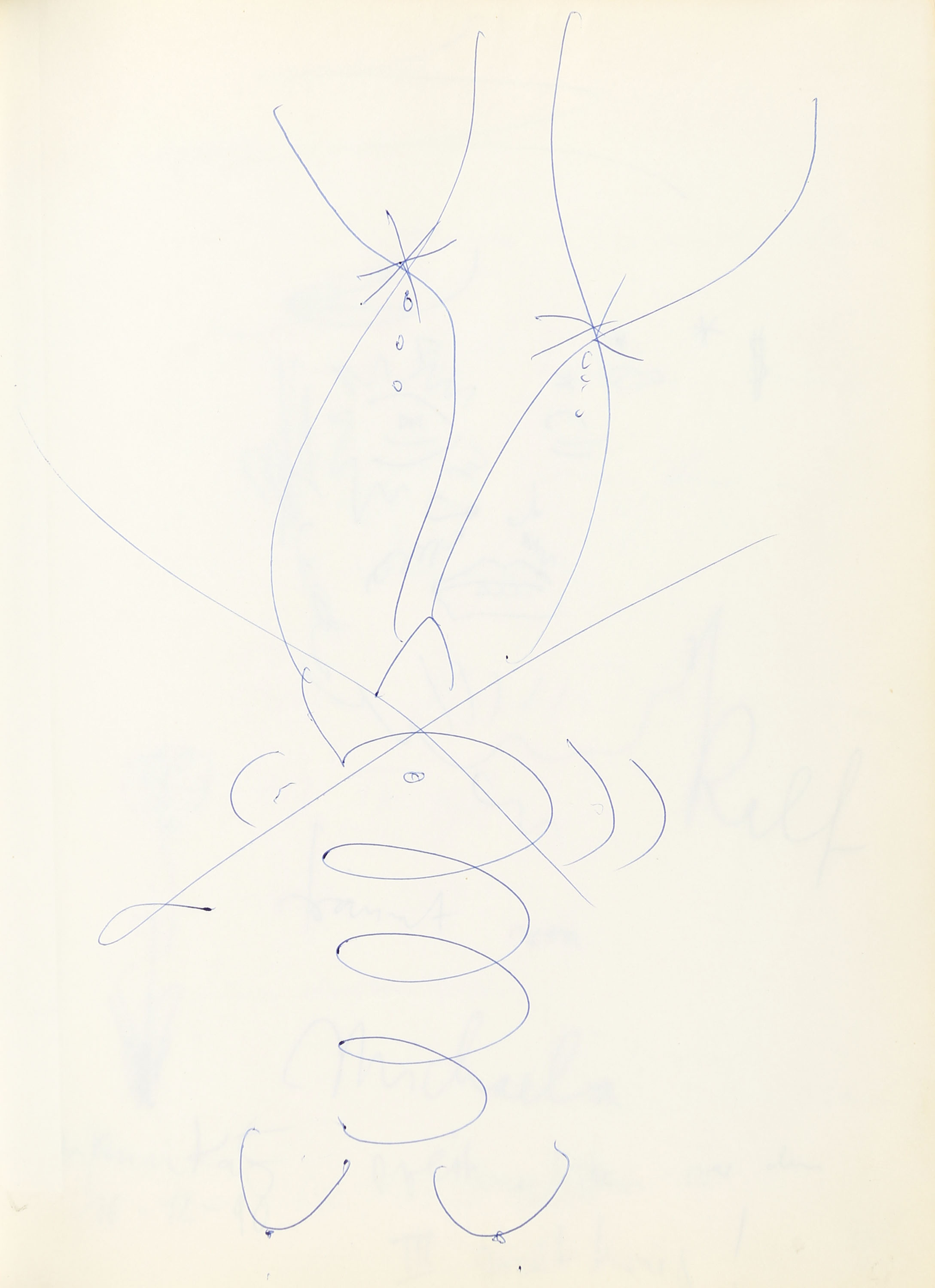
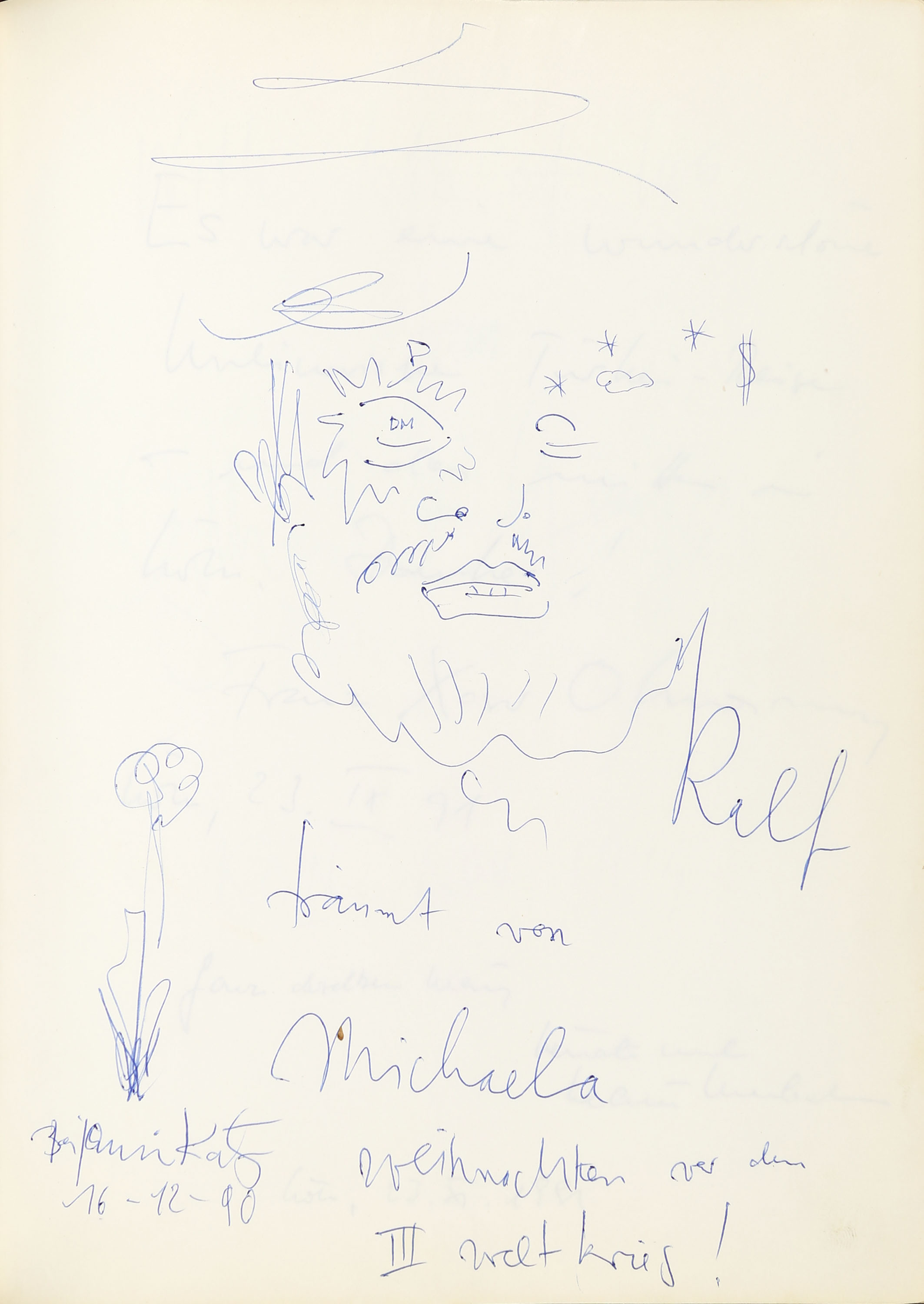
Guest book of the Cologne restaurant ‘Bosporus’. Featuring drawings by Penck, Baselitz and Immendorff, and entries by prominent figures. Cologne (1983–2005).
Estimate
€ 4.000
Starting Price
€ 3.000
Hammer Price
€ 3.000
Lot:
724
Category:
Manuscripts and autographs
Guest book of the iconic Cologne restaurant ‘Bosporus’. Cologne, 1983–2005. 26.3 x 19.7 cm. Featuring drawings by Georg Baselitz, A. R. Penck, Jörg Immendorff and others. 147 pages with numerous entries by prominent figures. Black leather with silver embossing on the cover. Full gold edging.
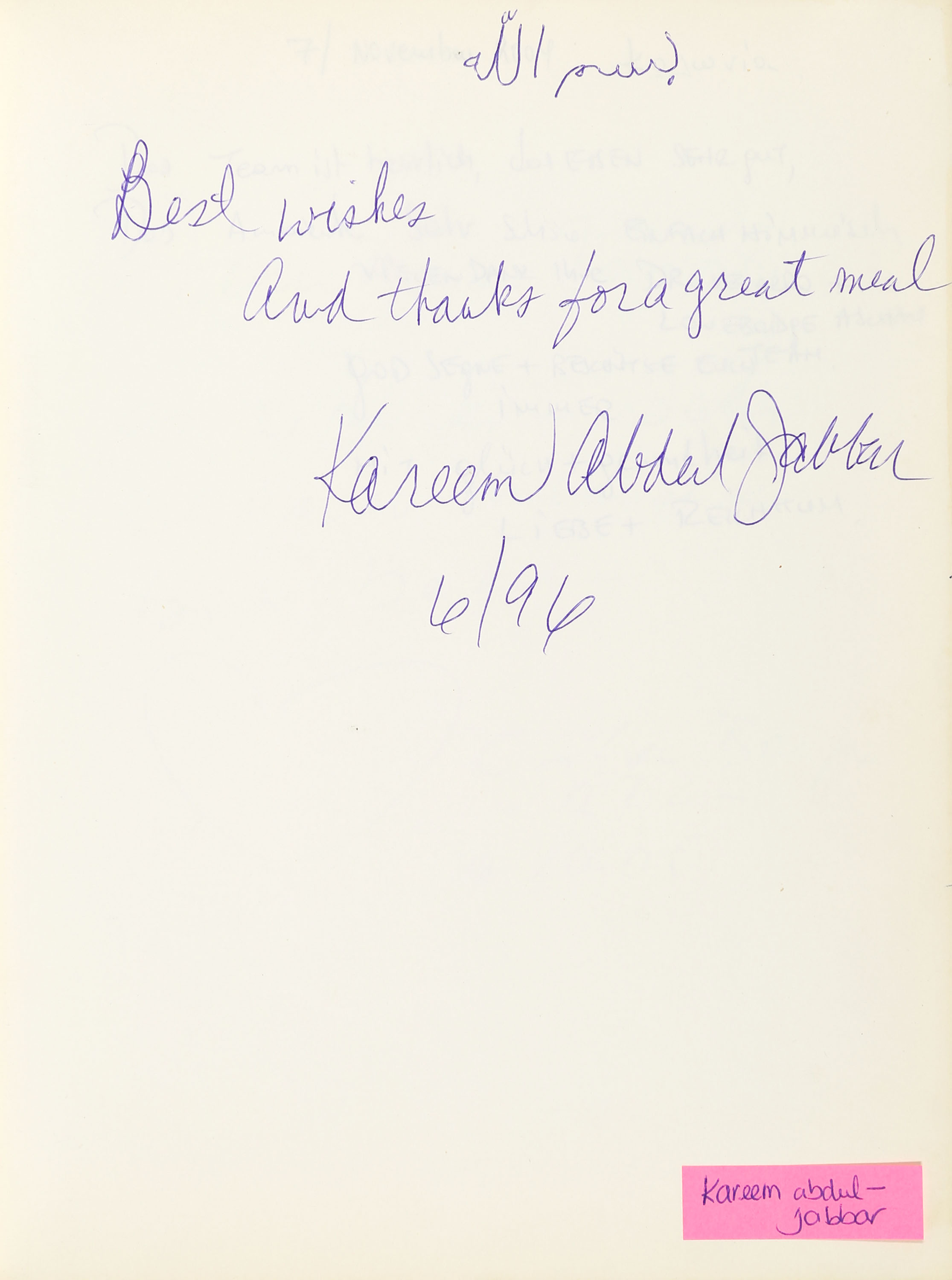
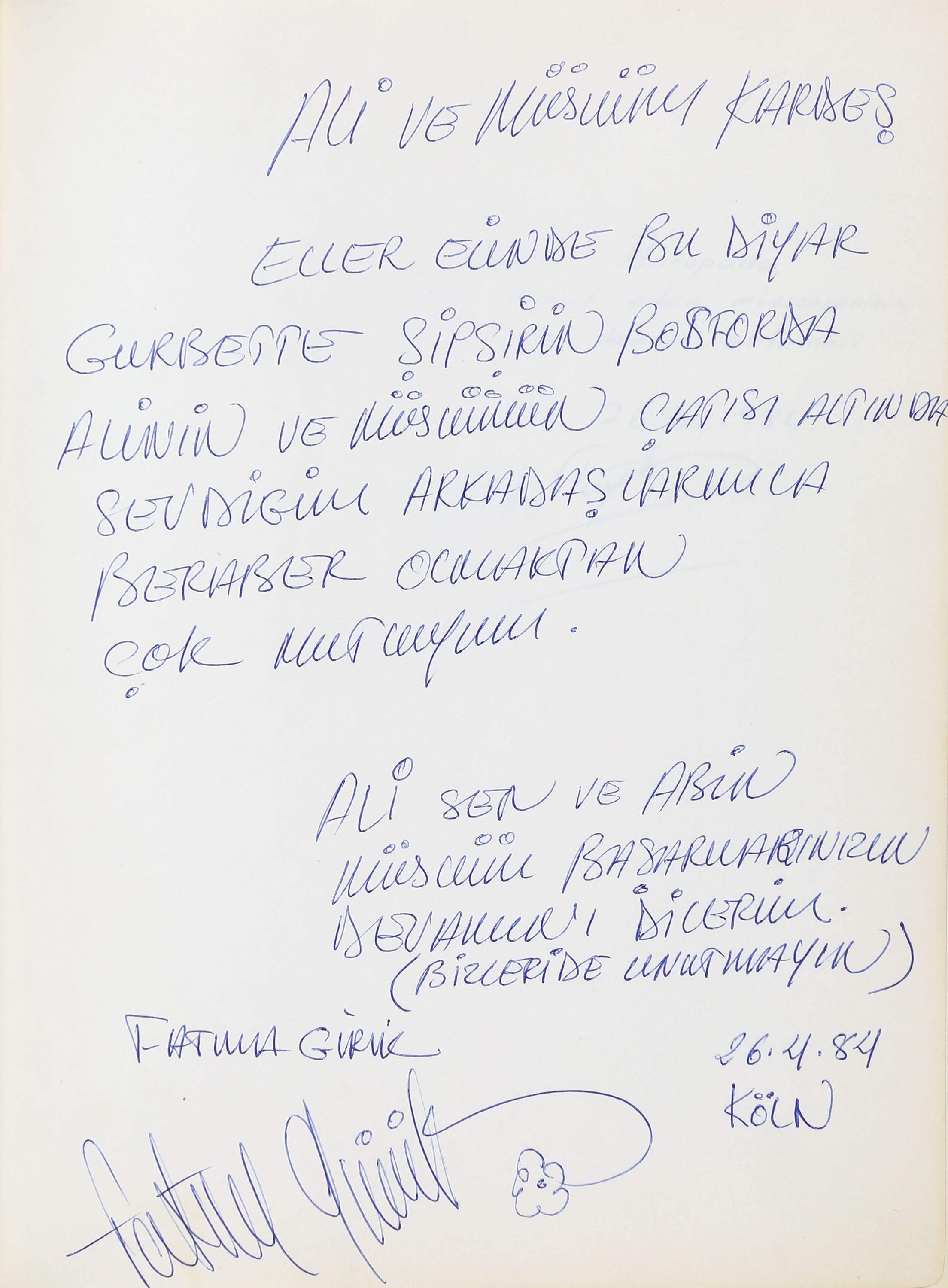
An extraordinary testament to Cologne’s culinary, cultural and migration history. – The guest book of the legendary Cologne restaurant ‘Bosporus’, kept between 1983 and 2005, documents the social influence of an establishment that went far beyond its role as a restaurant to become an important venue for German-Turkish encounters. Run by Ali and Yasemin Balaban at 36 Weidengasse, the restaurant developed, from the moment it opened, into an institution of fine Turkish cuisine and a meeting place for artists, politicians, entrepreneurs, diplomats, musicians, actors and media personalities. - The entries are written in Turkish, German and English and read like a ‘Who’s Who’ of German-Turkish cultural relations from the 1980s to the early 2000s. Those featured include, amongst others, Muazzez Abaci, Metin Akpinar, Sezen Aksu, Ishak Alaton, Zeki Alaysa, Reşat Arici, Nevzat Atlig, Abdullah Aykon Dogan, Ümit Besen, Alfred Biolek, Harry Blum, Deniz Bölükbasi, Cem Boyner, Norbert Burger, Mehmet Cevik, Cem’i Demiroğlu, Martin Doepke, Sertap Erener, Joschka Fischer, Gunter Gabriel, Gilbert & George, Fatma Girik, Mahmut and Selma Hekimoglu, Kareem Abdul-Jabbar, Garo Mafyan, Barış Manço, Hans Meiser, Bayram Meral, Nilüfer, Nurettin Nurkan, Of Aman Nalan, Franz Xaver Ohnesorg, Dirk Oncken, Ferdi Özbeğen, Cem Özdemir, Yüksel Özkasap, Ajda Pekkan, Hartmut Priess and Bömmel (Bläck Fööss), Ercan Saatçi, Coşkun Sabah, Emel Sayin, Harald Schmidt, Birgit Schrowange, Şener Şen, Müzeyyen Senar, Naim Süleymanoğlu, Ferdi Tayfur, Mikis Theodorakis, Ahu Tuğba, Ferit Ülker, Volkan Vural, Geoffry Wharton (with a small sketch) and numerous other figures from politics, the arts, music, film, television and business.
Particularly noteworthy is the density of the diverse social circles that come together here. Turkish and German politicians, businesspeople and diplomats stand alongside internationally renowned artists and musicians, whilst local Cologne personalities rub shoulders with stars of the Turkish entertainment industry. The guest book thus reflects the special role that the ‘Bosporus’ restaurant played within Cologne. In 1997, the partnership agreement between Cologne and Istanbul was even sealed here in the presence of the then Mayor of Cologne, Norbert Burger, and the future Turkish President, Recep Tayyip Erdoğan. In gastronomic terms, too, the ‘Bosporus’ held a status that was unusually high for Cologne. Ali Balaban, who had originally come to Germany from Istanbul to study architecture, established a high-end Turkish cuisine here that deliberately set itself apart from the perception of traditional Turkish cuisine, which at the time was often reduced to simple snack bars. The restaurant was the first – and for a long time the only – German restaurant to be admitted to the prestigious Chaîne des Rôtisseurs and, in 2013, the final year of its existence, was named Foreign Restaurant of the Year. Following its closure, the Balaban family donated around 500 items – or significant parts of the furnishings and documentation – to the Cologne City Museum; these included guest books, which were recognised as testimonies to Cologne’s history of migration and as records of intercultural understanding, and were showcased in an exhibition in 2017. - The guest book offered here captures the history of an extraordinary Cologne venue directly through the voices of its guests. The connection between Turkish and German society, the international art scene, popular culture and the local Cologne community becomes tangibly evident here in a unique way. Finally, a particularly fascinating aspect is that the history of the ‘Bosporus’ has now itself found its way into the national culture of remembrance: in 2026, a distinctive relic of the restaurant – the historic neon sign – was incorporated into the new permanent exhibition at the Haus der Geschichte in Bonn. The museum thus explicitly recognises the ‘Bosporus’ as part of Germany’s post-war, migration and social history.
An extraordinary testament to Cologne’s culinary, cultural and migration history. – The guest book of the legendary Cologne restaurant ‘Bosporus’, kept between 1983 and 2005, documents the social influence of an establishment that went far beyond its role as a restaurant to become an important venue for German-Turkish encounters. Run by Ali and Yasemin Balaban at 36 Weidengasse, the restaurant developed, from the moment it opened, into an institution of fine Turkish cuisine and a meeting place for artists, politicians, entrepreneurs, diplomats, musicians, actors and media personalities. - The entries are written in Turkish, German and English and read like a ‘Who’s Who’ of German-Turkish cultural relations from the 1980s to the early 2000s. Those featured include, amongst others, Muazzez Abaci, Metin Akpinar, Sezen Aksu, Ishak Alaton, Zeki Alaysa, Reşat Arici, Nevzat Atlig, Abdullah Aykon Dogan, Ümit Besen, Alfred Biolek, Harry Blum, Deniz Bölükbasi, Cem Boyner, Norbert Burger, Mehmet Cevik, Cem’i Demiroğlu, Martin Doepke, Sertap Erener, Joschka Fischer, Gunter Gabriel, Gilbert & George, Fatma Girik, Mahmut and Selma Hekimoglu, Kareem Abdul-Jabbar, Garo Mafyan, Barış Manço, Hans Meiser, Bayram Meral, Nilüfer, Nurettin Nurkan, Of Aman Nalan, Franz Xaver Ohnesorg, Dirk Oncken, Ferdi Özbeğen, Cem Özdemir, Yüksel Özkasap, Ajda Pekkan, Hartmut Priess and Bömmel (Bläck Fööss), Ercan Saatçi, Coşkun Sabah, Emel Sayin, Harald Schmidt, Birgit Schrowange, Şener Şen, Müzeyyen Senar, Naim Süleymanoğlu, Ferdi Tayfur, Mikis Theodorakis, Ahu Tuğba, Ferit Ülker, Volkan Vural, Geoffry Wharton (with a small sketch) and numerous other figures from politics, the arts, music, film, television and business.
Particularly noteworthy is the density of the diverse social circles that come together here. Turkish and German politicians, businesspeople and diplomats stand alongside internationally renowned artists and musicians, whilst local Cologne personalities rub shoulders with stars of the Turkish entertainment industry. The guest book thus reflects the special role that the ‘Bosporus’ restaurant played within Cologne. In 1997, the partnership agreement between Cologne and Istanbul was even sealed here in the presence of the then Mayor of Cologne, Norbert Burger, and the future Turkish President, Recep Tayyip Erdoğan. In gastronomic terms, too, the ‘Bosporus’ held a status that was unusually high for Cologne. Ali Balaban, who had originally come to Germany from Istanbul to study architecture, established a high-end Turkish cuisine here that deliberately set itself apart from the perception of traditional Turkish cuisine, which at the time was often reduced to simple snack bars. The restaurant was the first – and for a long time the only – German restaurant to be admitted to the prestigious Chaîne des Rôtisseurs and, in 2013, the final year of its existence, was named Foreign Restaurant of the Year. Following its closure, the Balaban family donated around 500 items – or significant parts of the furnishings and documentation – to the Cologne City Museum; these included guest books, which were recognised as testimonies to Cologne’s history of migration and as records of intercultural understanding, and were showcased in an exhibition in 2017. - The guest book offered here captures the history of an extraordinary Cologne venue directly through the voices of its guests. The connection between Turkish and German society, the international art scene, popular culture and the local Cologne community becomes tangibly evident here in a unique way. Finally, a particularly fascinating aspect is that the history of the ‘Bosporus’ has now itself found its way into the national culture of remembrance: in 2026, a distinctive relic of the restaurant – the historic neon sign – was incorporated into the new permanent exhibition at the Haus der Geschichte in Bonn. The museum thus explicitly recognises the ‘Bosporus’ as part of Germany’s post-war, migration and social history.