Lot 710
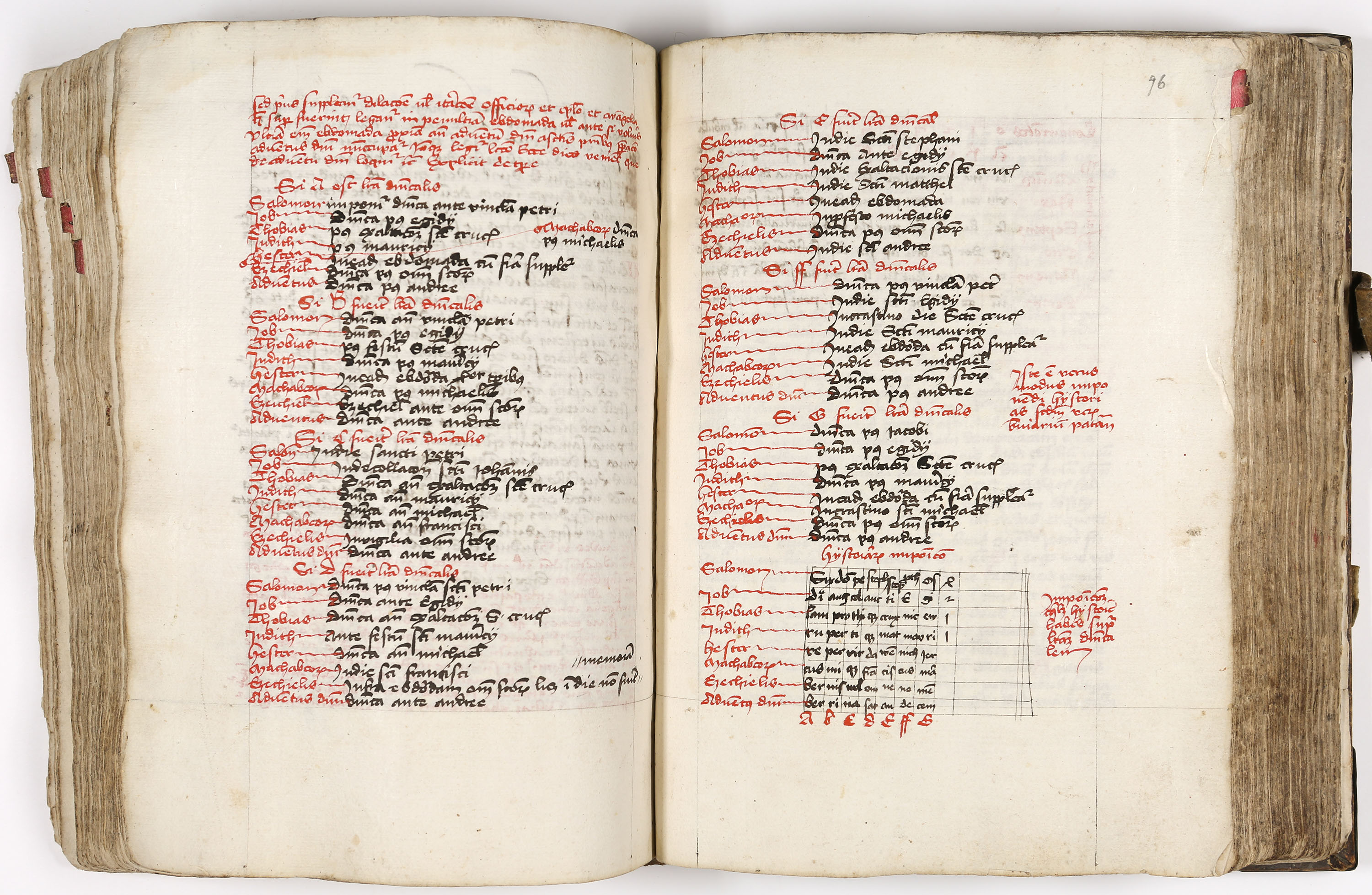
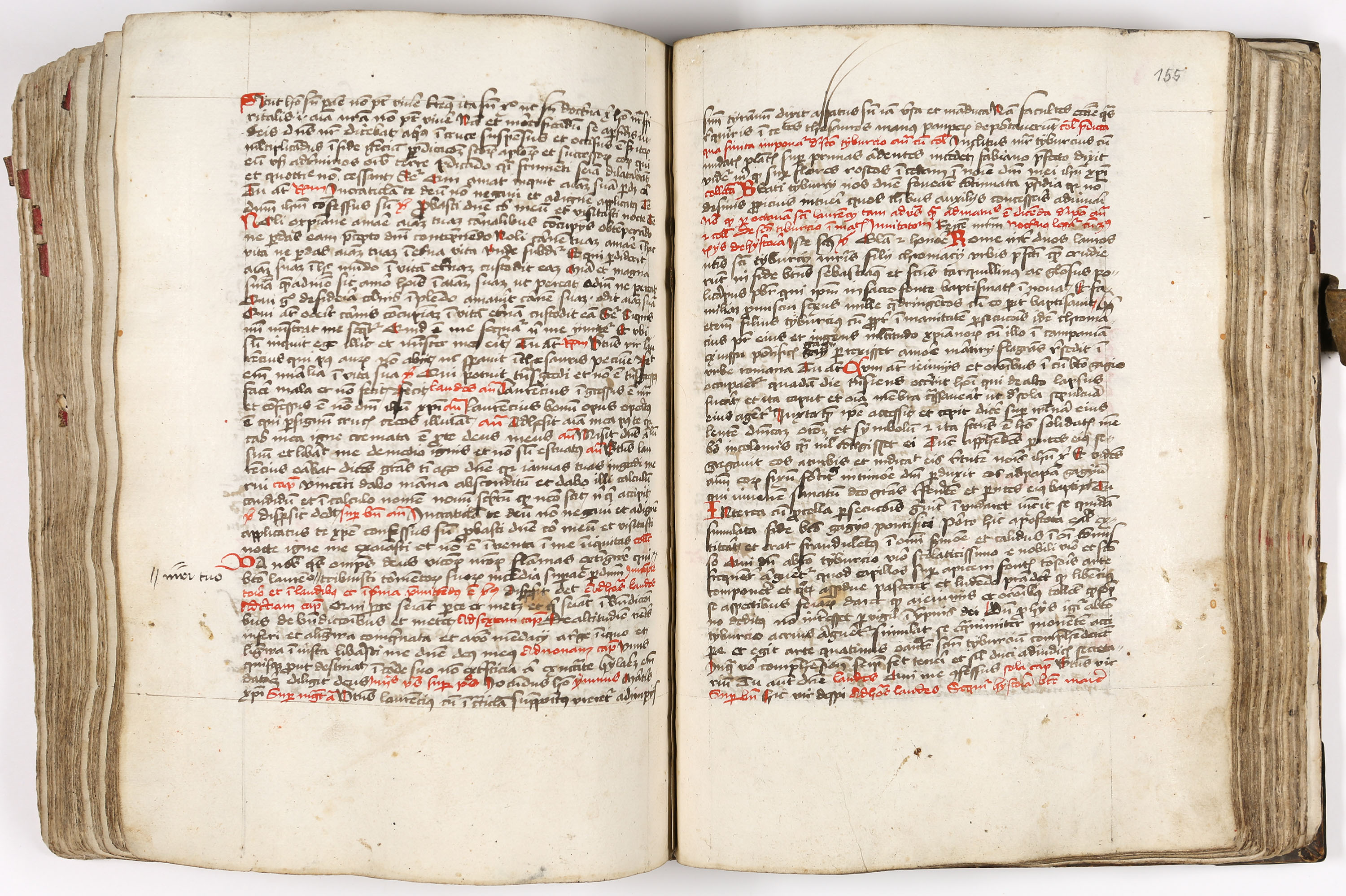
Breviary of the Diocese of Passau. Summer section. Latin manuscript on paper. Neumarkt, 1457.
Estimate
€ 900
Starting Price
€ 600
Hammer Price
€ 4.200
Lot:
710
Category:
Manuscripts and autographs
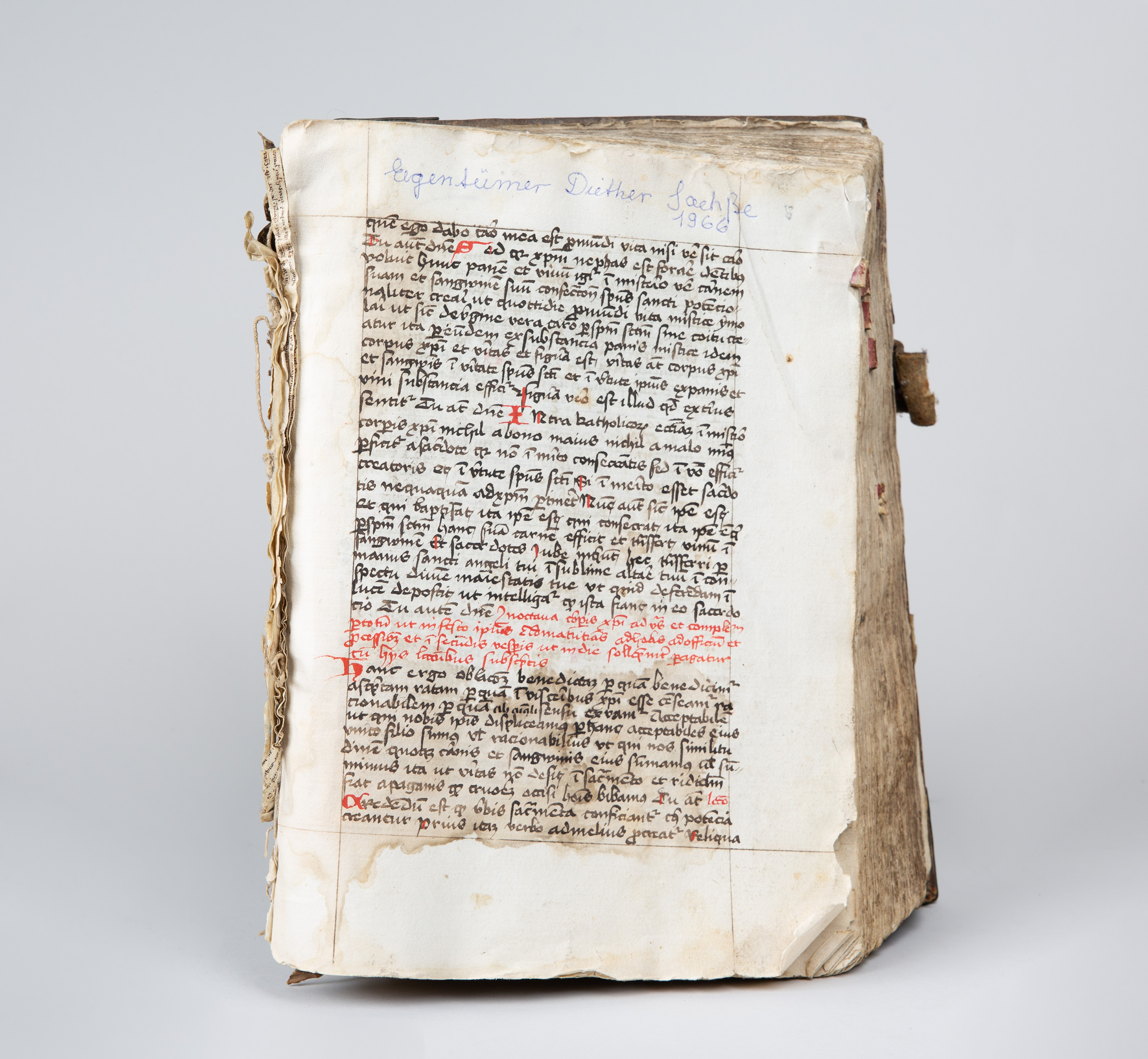
Breviary of the Diocese of Passau. Summer section. Latin manuscript on paper. Neumarkt 1457. 29 x 21.5 cm (print area: 21.5 x 14 cm). 235 (of 250) folios. With small red initials and rubrics. Bastarda in black and red ink, written by a single hand. 34 lines. Ruled throughout. Pigskin over wooden covers with 5 back cover fittings (front cover missing).
(The back cover is heavily scuffed. One leaf has come loose from the binding and is enclosed separately. Particularly damp at the edges at the beginning, with a water stain extending into the text block at the upper spine. Some leaves show edge damage and, in some cases, larger tears along the edges. In places, there are smudges, wax drips and heavy signs of wear. The first and last leaves bear a modern handwritten ownership note in blue ink, dated 1966.)
The manuscript is incomplete; 14 folios are missing at the beginning (one section with 6 double-folios + 3 folios). – Regarding the content: f. 1–99 contain the alternating prayers, readings and hymns for the Temporal, the Sunday and weekday offices between the Sunday after Pentecost and the first Sunday in Advent, as well as (f. 100–229r) for the Santoral, the feasts of saints determined by calendar dates for the same period (30 May to 30 November); f. 229r–230v contain the hymns for the feasts with their own offices. - Apart from the feast of St Maximilian (12 October), the patron saint of the Diocese of Passau, the calendar of saints includes the feasts of St Ulrich of Augsburg, Emperor Henry II, Afra, Corbinian, Rupert, Virgilius and Coloman, who were venerated within the territory of the former Archdiocese of Salzburg. - On folios 230v to 236v, the chaplain Matthaeus Tischendorff has recorded lengthy reflections on the significance and functions of the house of God (templum). He signs in 1468 as ‘Cooperator divinorum’ at St Paul’s in Passau. - The scribe’s colophon on f. 230v (Latin): This summer section of the breviary was completed by me, Matthaeus Tischendorff of Weiden, then chaplain at the Church of the Holy Spirit in Passau, in Neumarkt (Novum Forum) on the feast day of St Elizabeth between 9 and 10 o’clock in the year of our Lord 1457.
(The back cover is heavily scuffed. One leaf has come loose from the binding and is enclosed separately. Particularly damp at the edges at the beginning, with a water stain extending into the text block at the upper spine. Some leaves show edge damage and, in some cases, larger tears along the edges. In places, there are smudges, wax drips and heavy signs of wear. The first and last leaves bear a modern handwritten ownership note in blue ink, dated 1966.)
The manuscript is incomplete; 14 folios are missing at the beginning (one section with 6 double-folios + 3 folios). – Regarding the content: f. 1–99 contain the alternating prayers, readings and hymns for the Temporal, the Sunday and weekday offices between the Sunday after Pentecost and the first Sunday in Advent, as well as (f. 100–229r) for the Santoral, the feasts of saints determined by calendar dates for the same period (30 May to 30 November); f. 229r–230v contain the hymns for the feasts with their own offices. - Apart from the feast of St Maximilian (12 October), the patron saint of the Diocese of Passau, the calendar of saints includes the feasts of St Ulrich of Augsburg, Emperor Henry II, Afra, Corbinian, Rupert, Virgilius and Coloman, who were venerated within the territory of the former Archdiocese of Salzburg. - On folios 230v to 236v, the chaplain Matthaeus Tischendorff has recorded lengthy reflections on the significance and functions of the house of God (templum). He signs in 1468 as ‘Cooperator divinorum’ at St Paul’s in Passau. - The scribe’s colophon on f. 230v (Latin): This summer section of the breviary was completed by me, Matthaeus Tischendorff of Weiden, then chaplain at the Church of the Holy Spirit in Passau, in Neumarkt (Novum Forum) on the feast day of St Elizabeth between 9 and 10 o’clock in the year of our Lord 1457.