Lot 684
S. Münster, Cosmographiae universalis Lib. VI. Basel 1550.
Estimate
€ 18.000
Starting Price
€ 15.000
Lot:
684
Category:
Old prints up to 1600
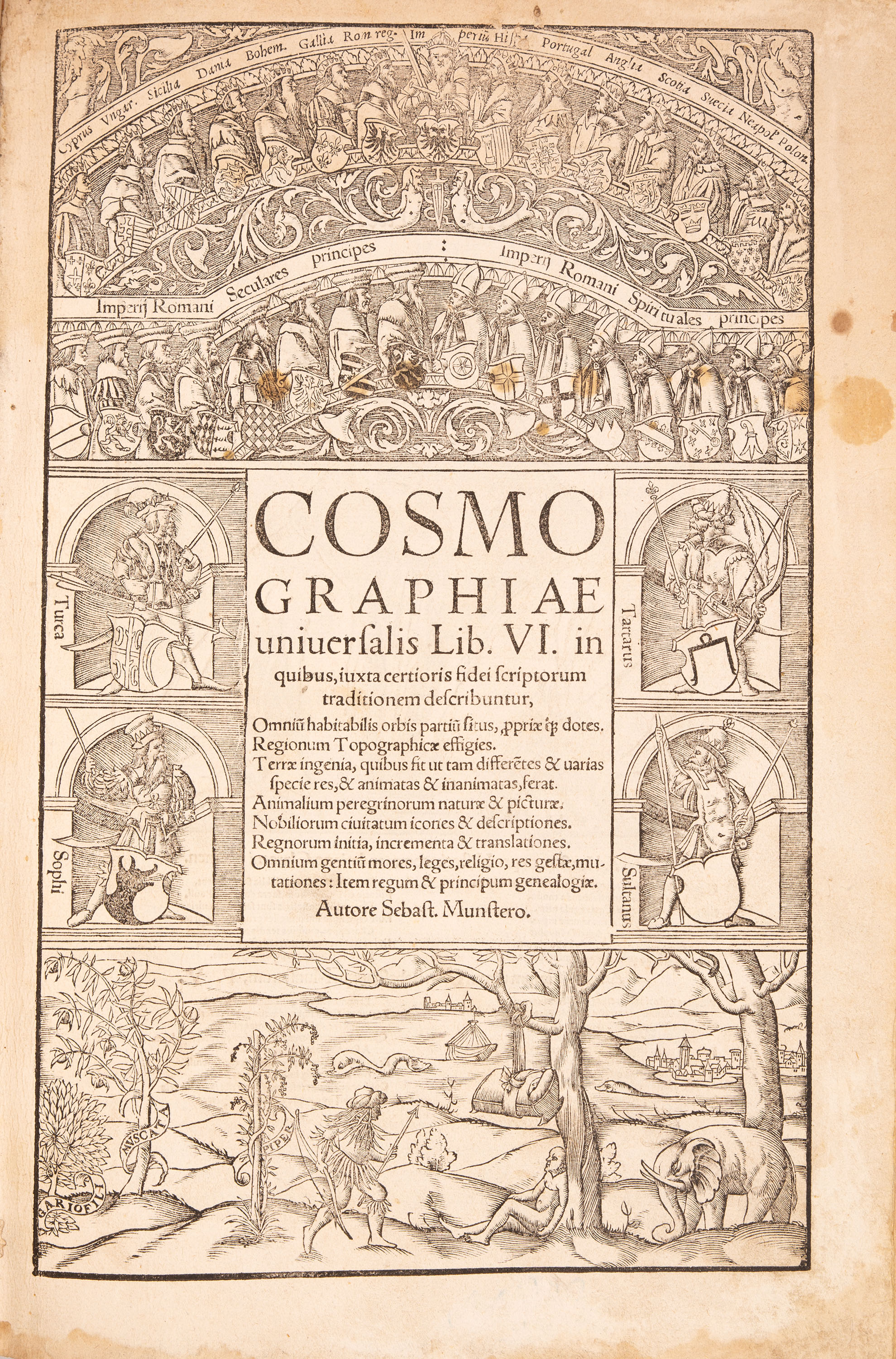
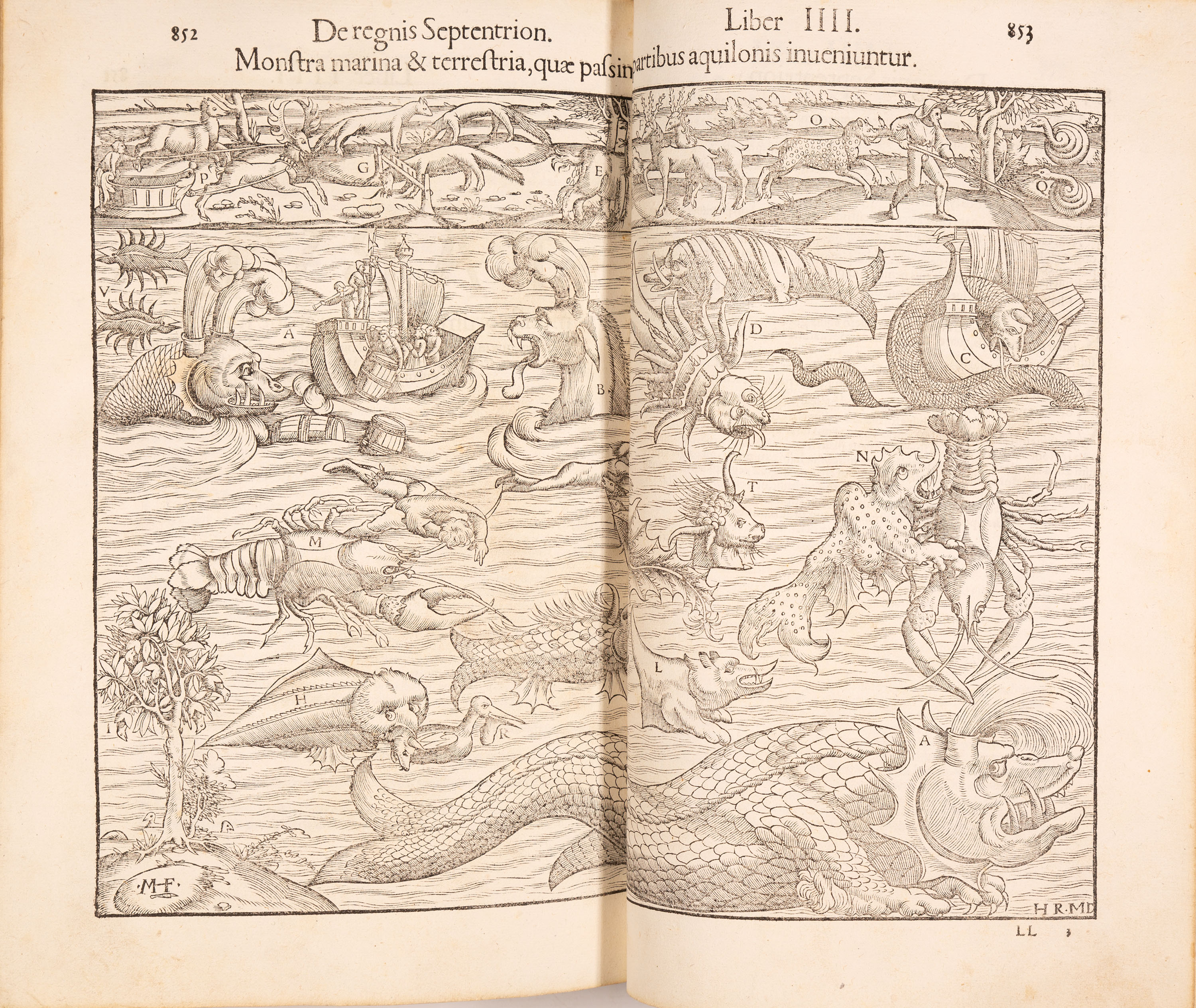
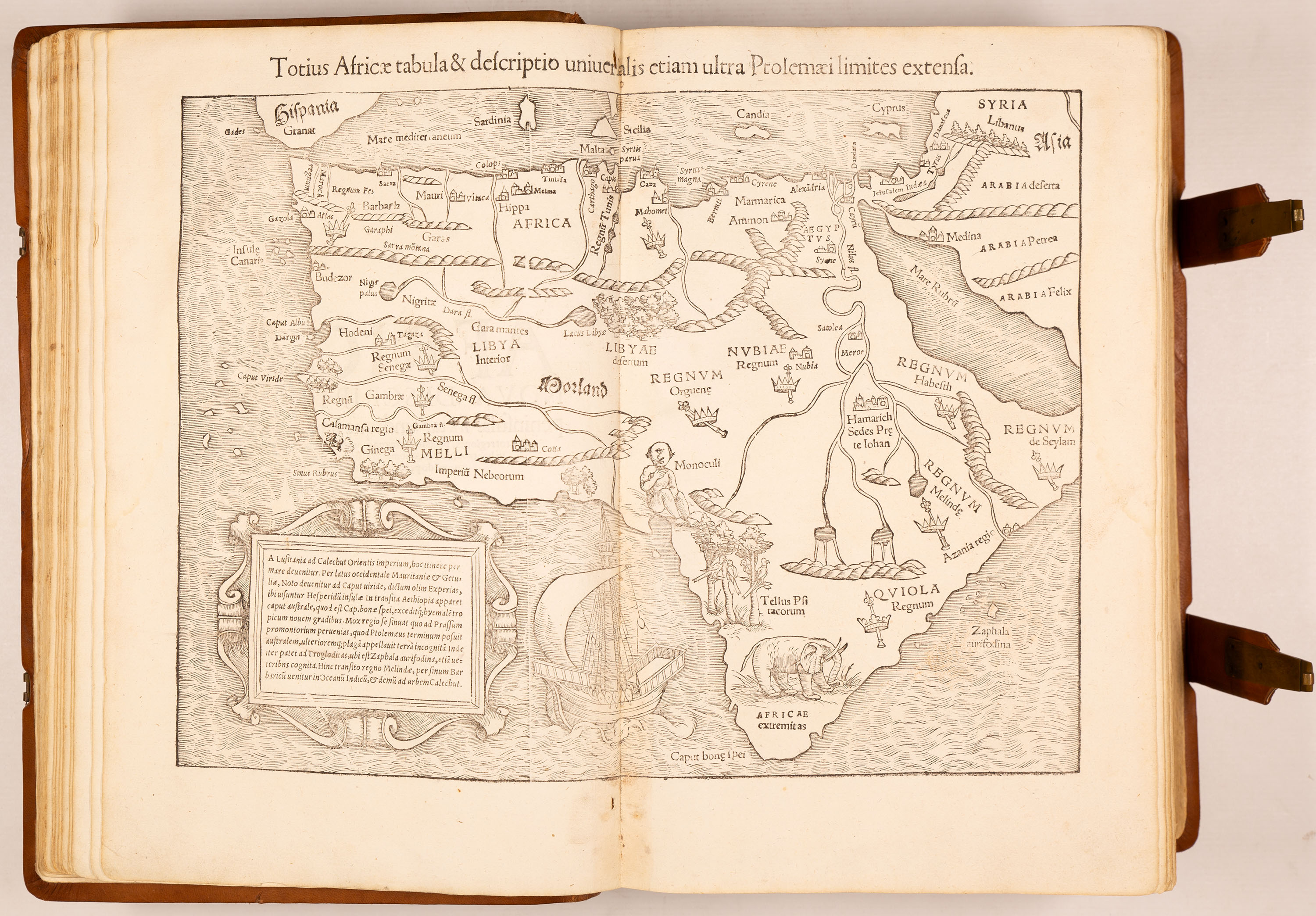
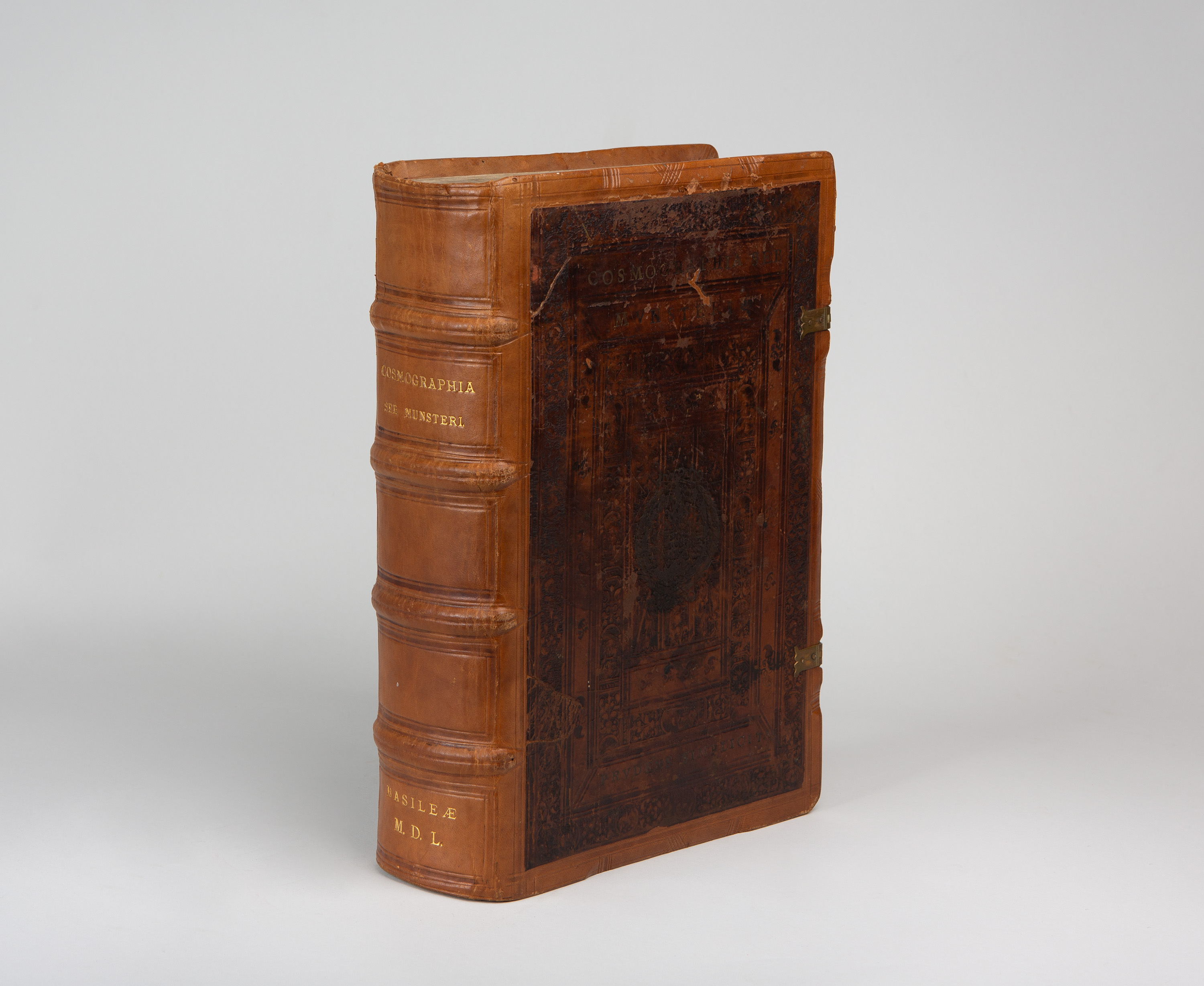
Münster, Sebastian: Cosmographiae universalis Lib. VI. in quibus, iuxta certioris fidei scriptorum traditionem describuntur. Basel: H. Petri 1550. 32,2 x 21,6 cm. Title page with a wide, illustrated en-rame border by H. R. Manuel Deutsch, en-rame portrait of the author on the reverse of the title page, 14 double-sheet-sized en-rame maps, 3 folded engraved city views, 37 double-sheet-sized engraved views and plans, and over 900 (partly repeated) woodcuts in the text. 12 leaves, 474 pp., 2 leaves (view of Speyer), pp. 475–480, 2 leaves (view of Worms), pp. 481–1162, 2 unnumbered pp. Later light brown leather binding over wooden boards, utilising old blind-stamped leather cover linings (31 x 19 cm) with gold-stamped edging and 2 metal clasps on leather straps.
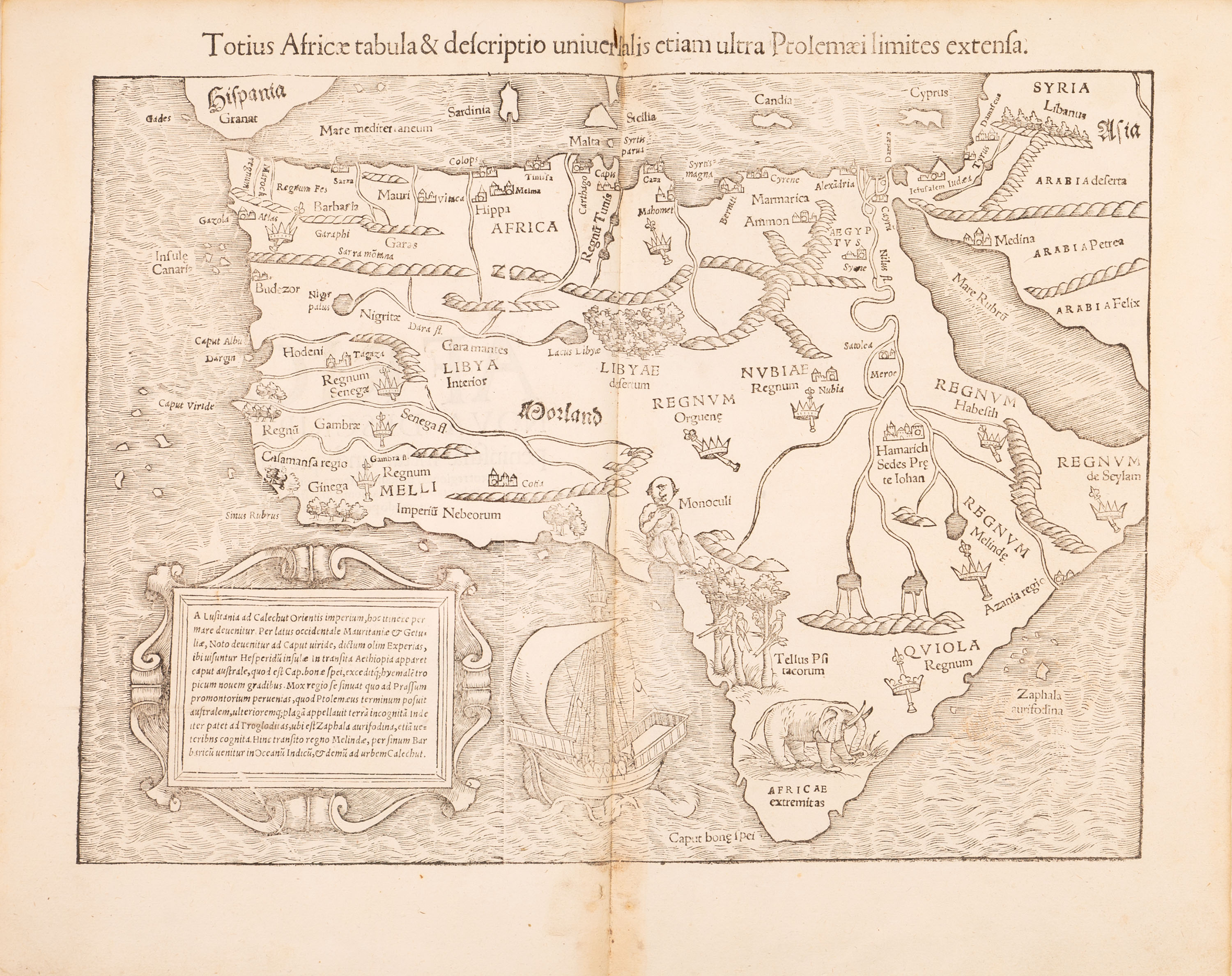
(Worn. Title page with brown spots in the uppermost section of the woodcut border, water-stained at the edges and with three small holes at the top edge, one of which has resulted in the loss of some text. The first 10 leaves (preface and index) are more heavily water-stained, particularly at the top and outer margins. The map of Europe has two small tears with visible backing on the lower and outer white margins. The map of Spain has two small holes within the woodcut. The maps of Nova Graecia, Africa and America show water-stains outside the woodcuts. The first 8 pages of the main text have faint water-stains along the margins. Page 117 has a corner tear that has been repaired. The double-page spread view of Rome has a tear along the lower margin. The view of Venice has a brown-stained shadow and two small brown stains within the woodcut. The view of Florence is more heavily browned. Some views have moisture stains on the outer margin. The view of Baden has slight brown staining on the top margin. The folded view of Worms has extensive backing on the lower right-hand margin and two backed tears on the lower left-hand margin; the margin is heavily browned and frayed. The folded view of Vienna has a small paper defect in the first fold, which has been backed. The two folds of the folded
view of Heidelberg have been reinforced with large backing and show brown and water stains on the margins. Some pages have small, mostly backed tears on the left-hand margin and further, mostly faint water stains. 1 woodcut on page 1049 has been coloured. Apart from a few areas with more pronounced tanning, the paper is in good condition. Minor stains from use and age. A few insignificant marks on the margins.)
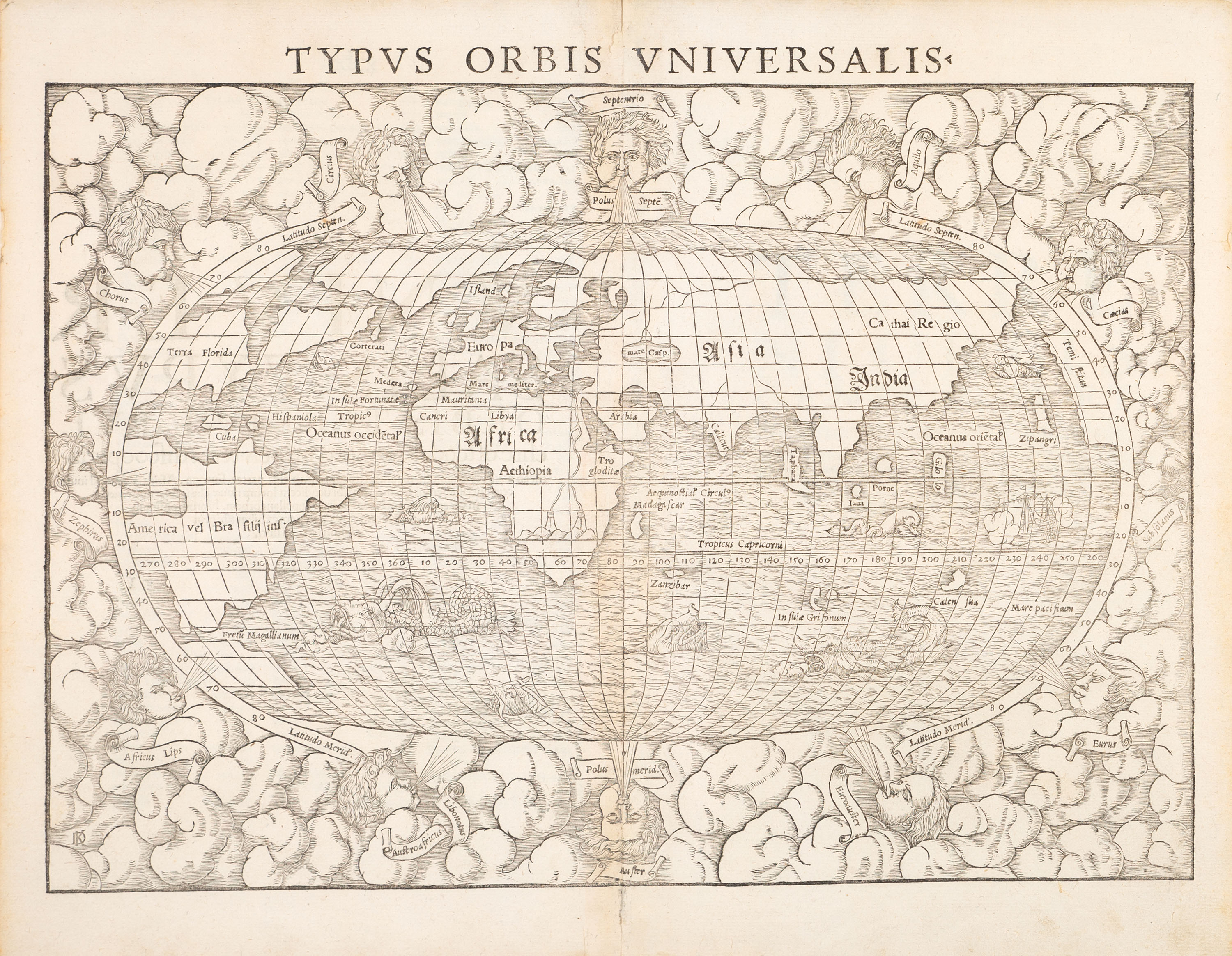
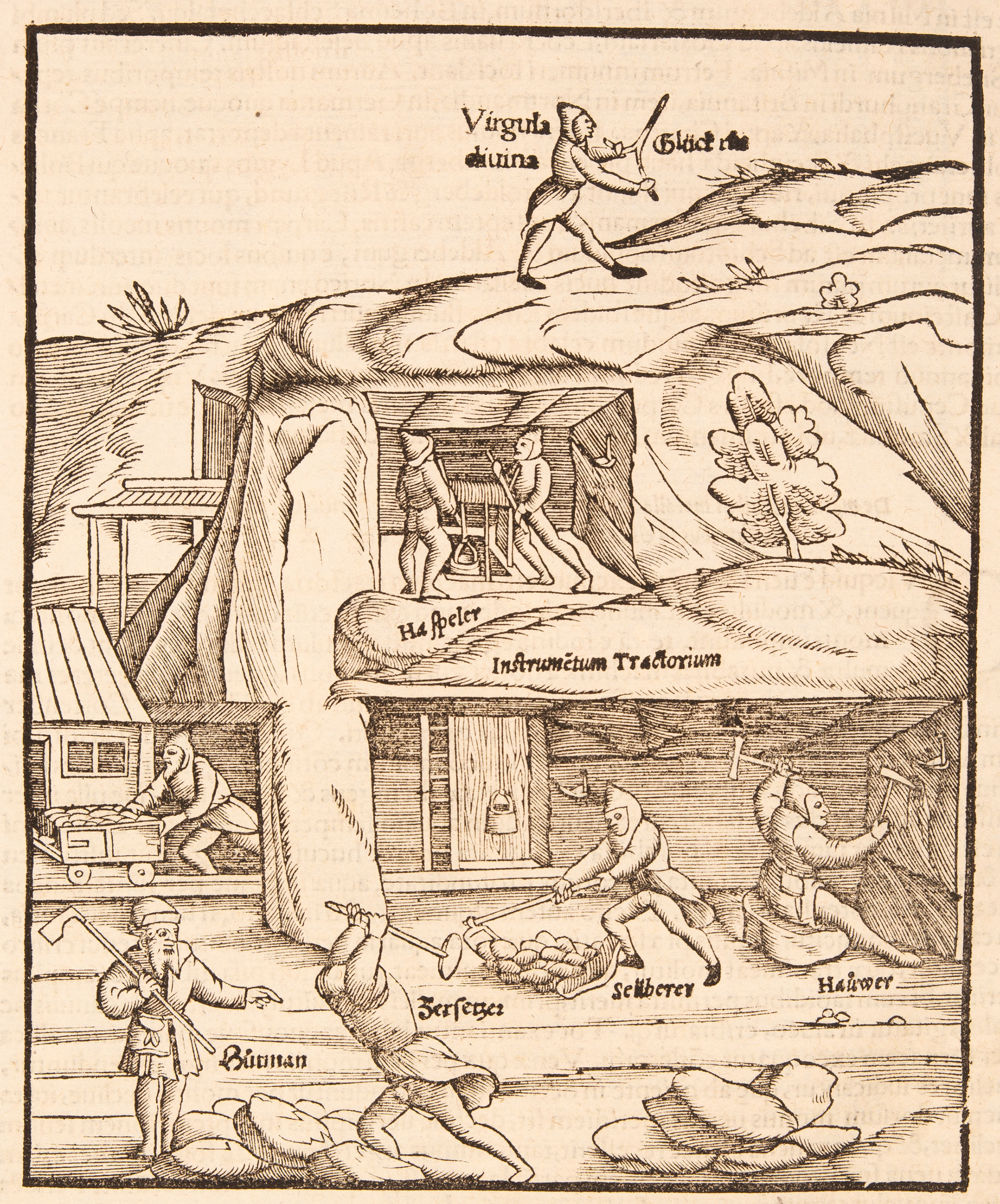
VD16 M 6714. Alden-L. 550/27. Brunet III, 1945. Burmeister 87. Graesse IV, 622. Sabin 51379. – The first Latin edition and, at the same time, the last edition to have been edited by Sebastian Münster himself. - The cosmography by the humanist polymath Sebastian Münster (1488–1552) represents an attempt to provide an illustrated account of the entirety of geographical and historical knowledge about the world, with particular emphasis on Germany and Central Europe. At the same time, it is the result of over 20 years’ work compiling traditional accounts, scientific findings and empirical reports, for which Münster had maintained extensive correspondence with rulers, bishops, diplomats and scholars. The author did not personally undertake any extensive research journeys. His descriptions of monsters, mythical creatures and foreign peoples, in both words and pictures, were intended, on the one hand, to satisfy the contemporary public’s love of reading and interest in sensational topics; on the other hand, such depictions served to glorify the Christian empires. - The Latin version of this completely revised, greatly expanded and newly illustrated edition was published at the end of March 1550, followed shortly afterwards by the German version. For the first time, this edition contains the author’s portrait, which is almost full-page in size, panoramic views of Heidelberg, Vienna and Worms, 37 double-page-sized views, and over 50 new maps, including Münster’s first maps of Poland, Prussia and Switzerland. - Featuring the 14 large introductory maps (including the two world maps, the map of America, etc.). - The woodcuts in the text are mostly by Hans Rudolf Manuel Deutsch, David Kandel, Johannes Clauser and others. - Overall, a very fine, wide-margined and complete copy of this most beautiful and extremely rare edition. - With an ex-libris from the Grandson Castle Library in Blonay on the front flyleaf.
(Worn. Title page with brown spots in the uppermost section of the woodcut border, water-stained at the edges and with three small holes at the top edge, one of which has resulted in the loss of some text. The first 10 leaves (preface and index) are more heavily water-stained, particularly at the top and outer margins. The map of Europe has two small tears with visible backing on the lower and outer white margins. The map of Spain has two small holes within the woodcut. The maps of Nova Graecia, Africa and America show water-stains outside the woodcuts. The first 8 pages of the main text have faint water-stains along the margins. Page 117 has a corner tear that has been repaired. The double-page spread view of Rome has a tear along the lower margin. The view of Venice has a brown-stained shadow and two small brown stains within the woodcut. The view of Florence is more heavily browned. Some views have moisture stains on the outer margin. The view of Baden has slight brown staining on the top margin. The folded view of Worms has extensive backing on the lower right-hand margin and two backed tears on the lower left-hand margin; the margin is heavily browned and frayed. The folded view of Vienna has a small paper defect in the first fold, which has been backed. The two folds of the folded
view of Heidelberg have been reinforced with large backing and show brown and water stains on the margins. Some pages have small, mostly backed tears on the left-hand margin and further, mostly faint water stains. 1 woodcut on page 1049 has been coloured. Apart from a few areas with more pronounced tanning, the paper is in good condition. Minor stains from use and age. A few insignificant marks on the margins.)
VD16 M 6714. Alden-L. 550/27. Brunet III, 1945. Burmeister 87. Graesse IV, 622. Sabin 51379. – The first Latin edition and, at the same time, the last edition to have been edited by Sebastian Münster himself. - The cosmography by the humanist polymath Sebastian Münster (1488–1552) represents an attempt to provide an illustrated account of the entirety of geographical and historical knowledge about the world, with particular emphasis on Germany and Central Europe. At the same time, it is the result of over 20 years’ work compiling traditional accounts, scientific findings and empirical reports, for which Münster had maintained extensive correspondence with rulers, bishops, diplomats and scholars. The author did not personally undertake any extensive research journeys. His descriptions of monsters, mythical creatures and foreign peoples, in both words and pictures, were intended, on the one hand, to satisfy the contemporary public’s love of reading and interest in sensational topics; on the other hand, such depictions served to glorify the Christian empires. - The Latin version of this completely revised, greatly expanded and newly illustrated edition was published at the end of March 1550, followed shortly afterwards by the German version. For the first time, this edition contains the author’s portrait, which is almost full-page in size, panoramic views of Heidelberg, Vienna and Worms, 37 double-page-sized views, and over 50 new maps, including Münster’s first maps of Poland, Prussia and Switzerland. - Featuring the 14 large introductory maps (including the two world maps, the map of America, etc.). - The woodcuts in the text are mostly by Hans Rudolf Manuel Deutsch, David Kandel, Johannes Clauser and others. - Overall, a very fine, wide-margined and complete copy of this most beautiful and extremely rare edition. - With an ex-libris from the Grandson Castle Library in Blonay on the front flyleaf.