Lot 950
Calligraphy. – 2 anonymous copies from the 10th series of ‘Blätter für die Kunst’. 2 vols.
Estimate
€ 300
Starting Price
€ 200
Hammer Price
€ 200
Lot:
950
Category:
Literature of the 20th century
Calligraphy. – 2 anonymous copies from the 10th series of ‘Blätter für die Kunst’. 2 vols.
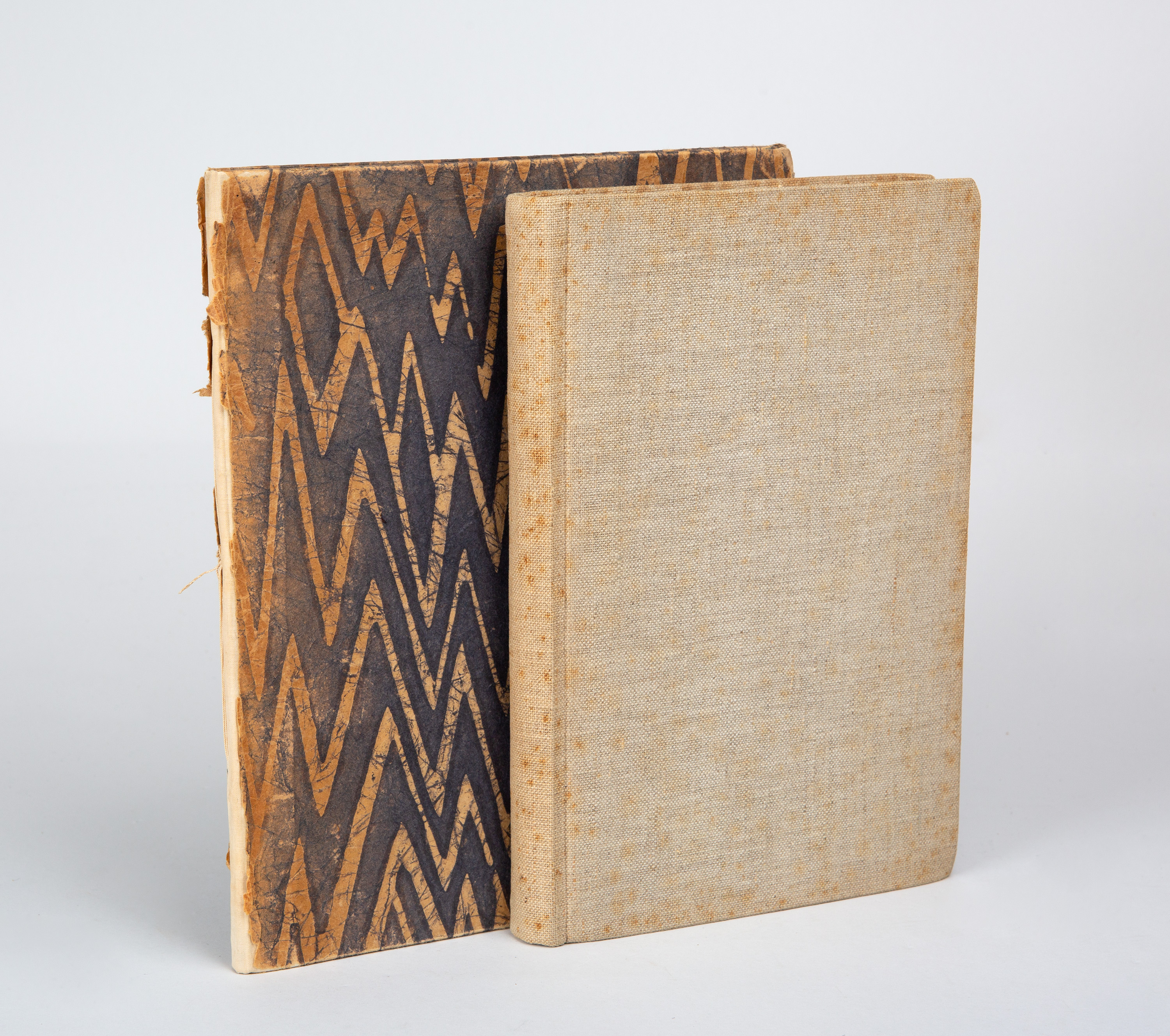
1) Anonymous calligraphic copy from the 10th issue of ‘Blätter für die Kunst’ (1914). 24.4 x 16.5 cm. 3 leaves, 182 hand-numbered pages, 1 leaf. In black ink. Section headings in red. Linen binding. – On the front endpaper, the initials ‘W. H.’ (unidentified). (Water-stained; spine browned. Slightly browned inside.)
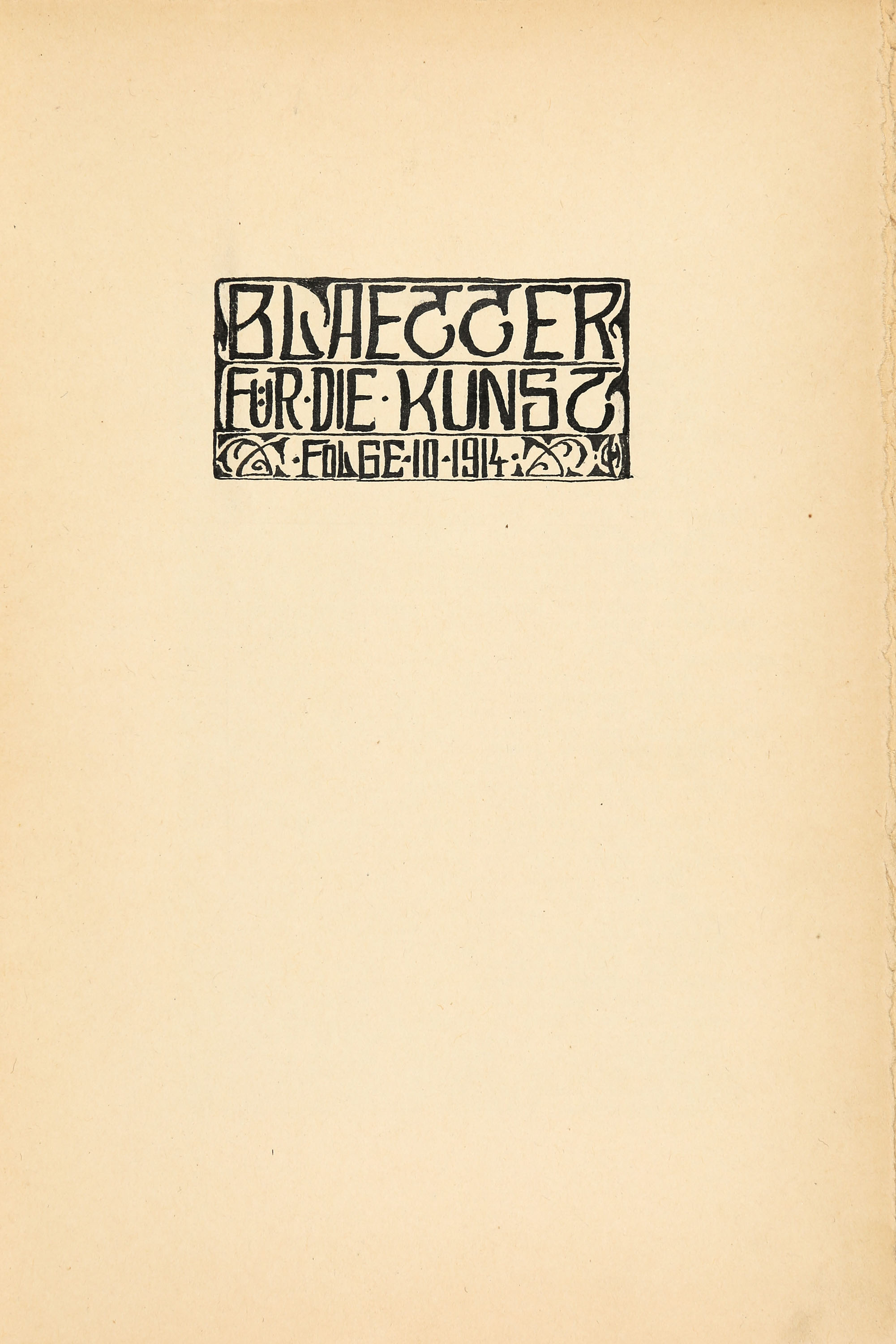
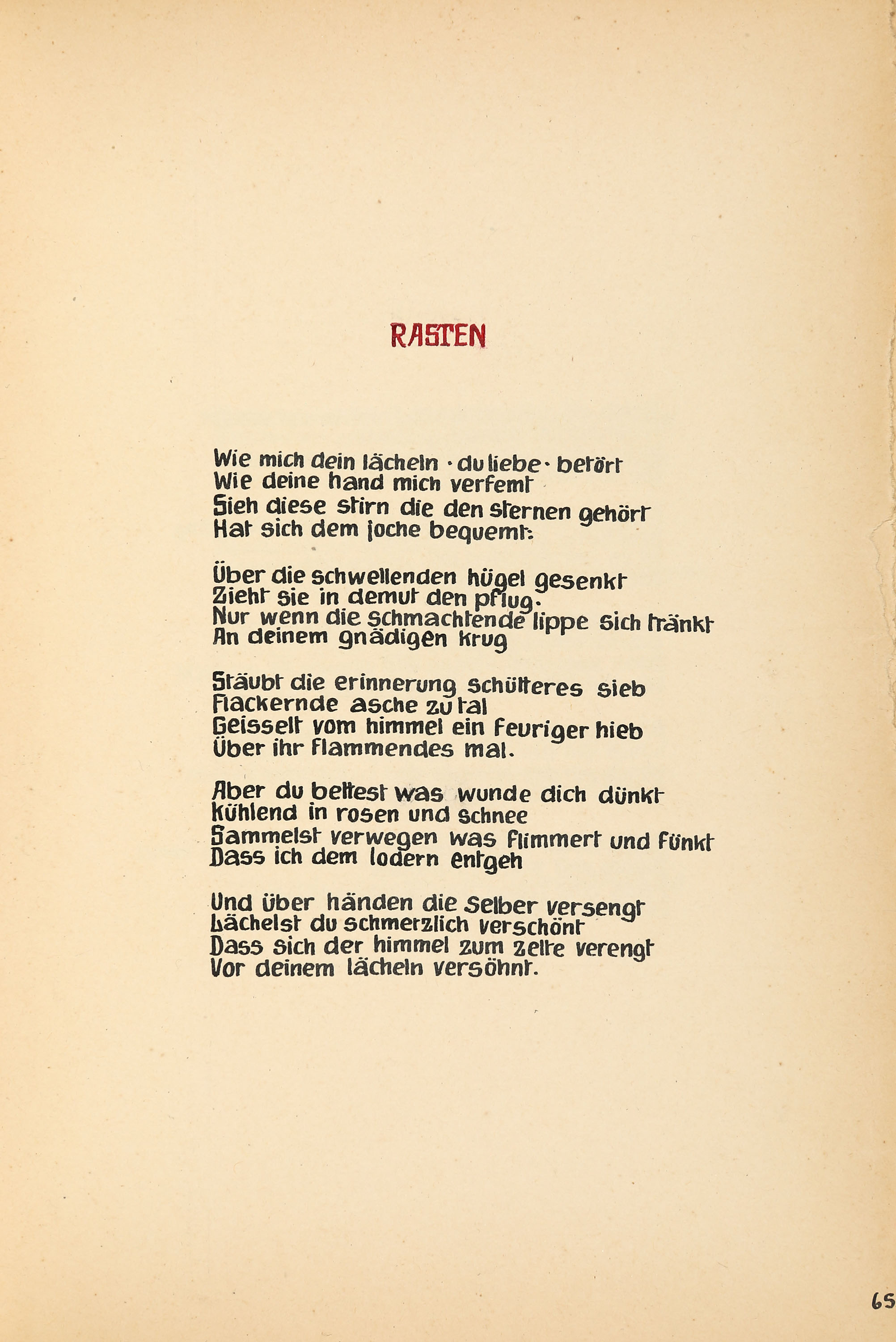
2) Anonymous calligraphic copy from the 10th issue of *Blätter für die Kunst* (1914). 25.5 × 21.5 cm. 30 leaves. In black ink, with section headings in red. On paper bearing the ‘Reichsadler-Canzlei’ watermark. Half-linen binding with coloured paper covers.
(Scuffed and slightly bumped, minor defects to the cover. Binding loose. Slightly discoloured inside.)
Two private manuscripts, bound in book form, based on the 10th issue of ‘Blätter für die Kunst’, a journal founded by Stefan George and edited by Carl August Klein. The 10th issue, published in 1914 following a lengthy hiatus and known as the ‘War Issue’, occupies a special place in the history of the journal. The ‘Blätter für die Kunst’ was not a publicly distributed journal, but a deliberately exclusive publication of the George Circle. In this context, the two manuscripts—which were evidently produced independently of one another and are meticulously executed—bear witness to an unusually intense private engagement with the texts. Their design suggests more than a mere working copy; it evokes a personal homage or some other form of veneration. In particular, the stylised script of the second volume is reminiscent of the Stefan George script, which was developed by Melchior Lechter in close collaboration with George and drawing on historical script forms, and which he used in his publications from 1904 onwards. As evidence of the private reception of the ‘Blätter für die Kunst’, these are of particular interest, possibly originating from the wider circle associated with the George Circle.
1) Anonymous calligraphic copy from the 10th issue of ‘Blätter für die Kunst’ (1914). 24.4 x 16.5 cm. 3 leaves, 182 hand-numbered pages, 1 leaf. In black ink. Section headings in red. Linen binding. – On the front endpaper, the initials ‘W. H.’ (unidentified). (Water-stained; spine browned. Slightly browned inside.)
2) Anonymous calligraphic copy from the 10th issue of *Blätter für die Kunst* (1914). 25.5 × 21.5 cm. 30 leaves. In black ink, with section headings in red. On paper bearing the ‘Reichsadler-Canzlei’ watermark. Half-linen binding with coloured paper covers.
(Scuffed and slightly bumped, minor defects to the cover. Binding loose. Slightly discoloured inside.)
Two private manuscripts, bound in book form, based on the 10th issue of ‘Blätter für die Kunst’, a journal founded by Stefan George and edited by Carl August Klein. The 10th issue, published in 1914 following a lengthy hiatus and known as the ‘War Issue’, occupies a special place in the history of the journal. The ‘Blätter für die Kunst’ was not a publicly distributed journal, but a deliberately exclusive publication of the George Circle. In this context, the two manuscripts—which were evidently produced independently of one another and are meticulously executed—bear witness to an unusually intense private engagement with the texts. Their design suggests more than a mere working copy; it evokes a personal homage or some other form of veneration. In particular, the stylised script of the second volume is reminiscent of the Stefan George script, which was developed by Melchior Lechter in close collaboration with George and drawing on historical script forms, and which he used in his publications from 1904 onwards. As evidence of the private reception of the ‘Blätter für die Kunst’, these are of particular interest, possibly originating from the wider circle associated with the George Circle.